| Display 6.78-inch 1.5K AMOLED, 144Hz |
Battery 5,500mAh |
| Chipset MediaTek Dimensity 7400 |
Protection IP64 |
| Wired Charging 45W |
Camera 64MP+8MP |

Infinix has been steadily making noise in the budget smartphone segment, but with the GT 30, it’s playing a louder, flashier tune. Priced under ₹20,000, this is not a phone that hides in the crowd. It brings gamer-first features like Mecha lights, shoulder triggers, a 144Hz AMOLED display, and a 5,500mAh battery, all packed into a design that demands your attention.
The GT 30 doesn’t try to be subtle. It aims to be fun, functional, and unapologetically gaming-focused. Let’s break down how that actually plays out in the real world.
The Infinix GT 30 arrives in the brand’s familiar green packaging. Inside, you get all the essentials neatly arranged: the phone itself, a SIM ejector tool, a clear protective case, warranty card, user manual, a 45W fast charger, and a Type-A to Type-C charging cable.
There aren’t any flashy extras here. No bundled earphones or surprises, but everything you need to get started is in the box.
The Mecha lighting system at the back is the real showstopper. LEDs glow for calls, notifications, charging, and even pulse along with music or gameplay. You can tweak patterns in the settings, making it less of a gimmick and more of a personal style statement.
The design follows Infinix’s Cyber Mecha 2.0 look, with geometric accents on the back and subtle red highlights around the power button and camera module. The bezels are slim, the phone sits well in the hand at 196 grams and 7.9mm thick, and it comes in three bold colours: Cyber Blue, Pulse Green, and Blade White.
Now, the shoulder trigger buttons. In my experience, these aren’t just for gaming. Yes, they work well in titles like BGMI and CODM, but I found them equally useful outside games. I mapped one to play/pause YouTube videos and the other as a camera shutter, which made quick snaps a lot easier. The only thing I felt while using them is that the placement could have been slightly better—if they sat a bit lower, it would have been more comfortable. Still, they’re a genuinely handy addition that adds real utility to the phone.
Other neat touches: stereo speakers that are loud and clear, an IR blaster on top that doubles as a remote for appliances, Gorilla Glass 7i protection, and IP64 splash resistance for durability.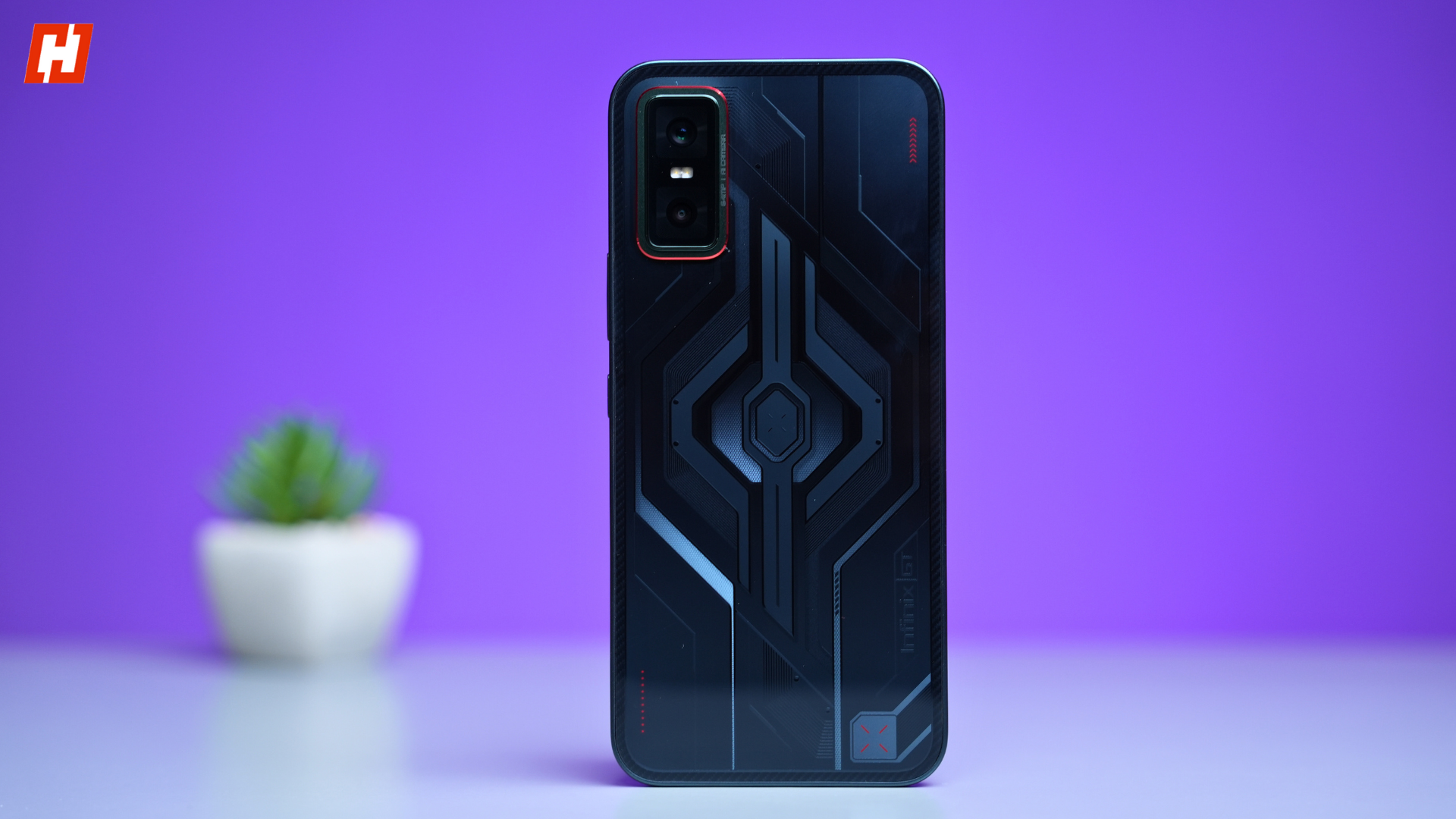
The 6.78-inch AMOLED display makes an instant impression. At 1.5K resolution, with a 144Hz refresh rate and 10-bit colour depth, it’s sharp and fluid. 4,500 nits of peak brightness ensures it stays visible outdoors, and HDR content indoors looks vibrant and cinematic.
But here’s the catch: the panel technically supports 144Hz, but only four apps can fully use it—Calculator, Phone, Messages, and Files by Google. In most cases, the refresh drops to more conventional rates.
Content playback is strong. YouTube supports HDR at up to 4K, and streaming via Netflix works in Full HD with Widevine L1, though HDR isn’t supported on Netflix. For gamers and binge-watchers, the panel still stands out in this price bracket.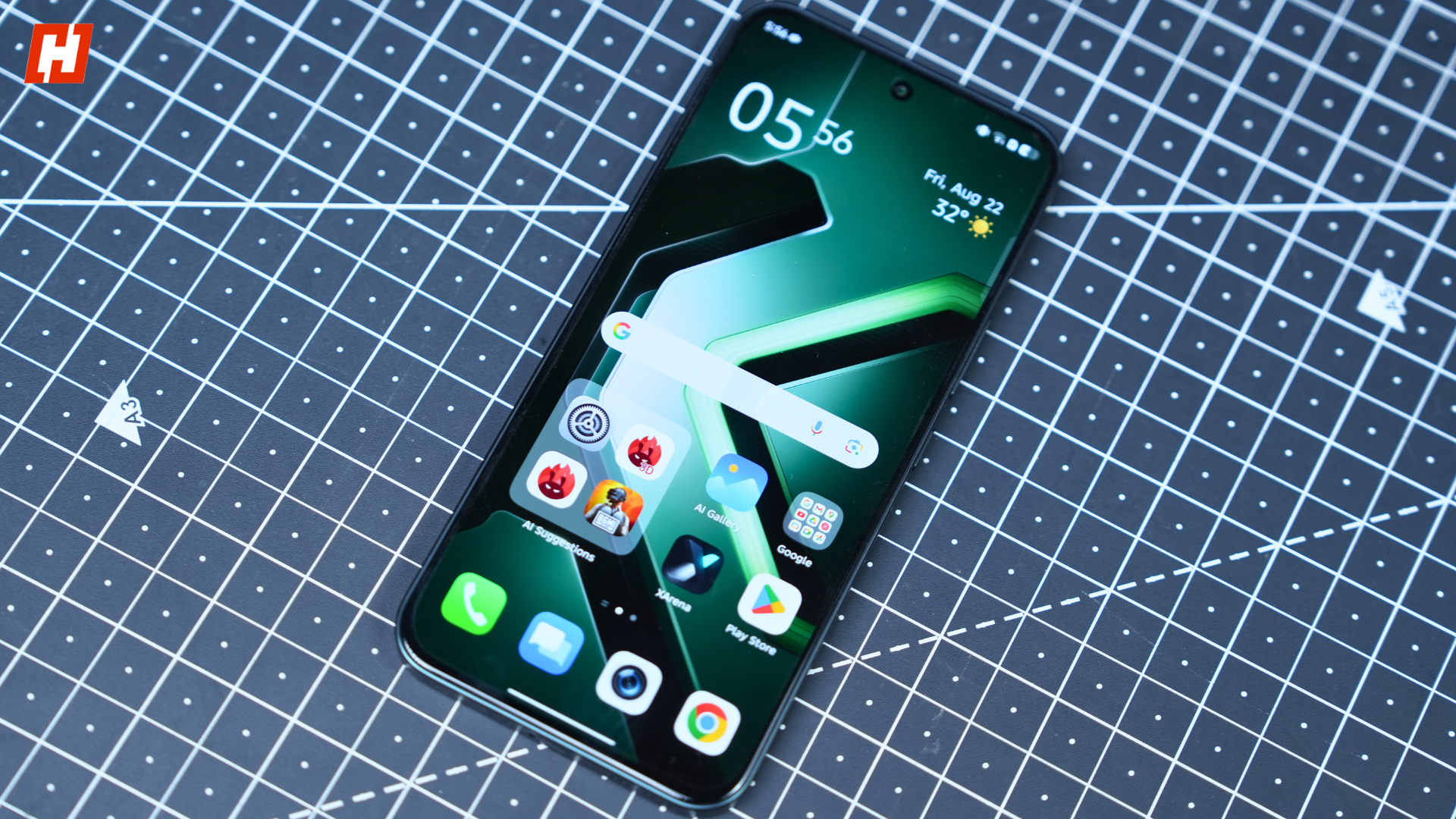
Under the hood, the GT 30 runs on the MediaTek Dimensity 7400 with 8GB RAM and up to 256GB storage (UFS 2.2). Everyday usage is smooth, and multitasking doesn’t cause any lag.
In gaming, it shows its strengths. BGMI and CODM run at 90FPS, while Genshin Impact stays around 40–45FPS. Heat management is handled by a 5,400mm sq. vapour chamber cooling system, which keeps things warm but controlled even after long sessions.
Infinix also brings in the XBOOST AI interface, a gamer-focused suite with an AI Magic voice changer for in-game fun, an Esports mode that blocks distractions and boosts CPU power with one tap, and three performance modes to choose from based on your preference.
For numbers: AnTuTu score of 727,332, and in Geekbench, it pulled 1,067 (single-core) and 3,214 (multi-core). These place it firmly in the mid-range performance bracket. The only limitation is UFS 2.2 storage, which makes app installs slower compared to pricier rivals, but it doesn’t impact gaming frame rates.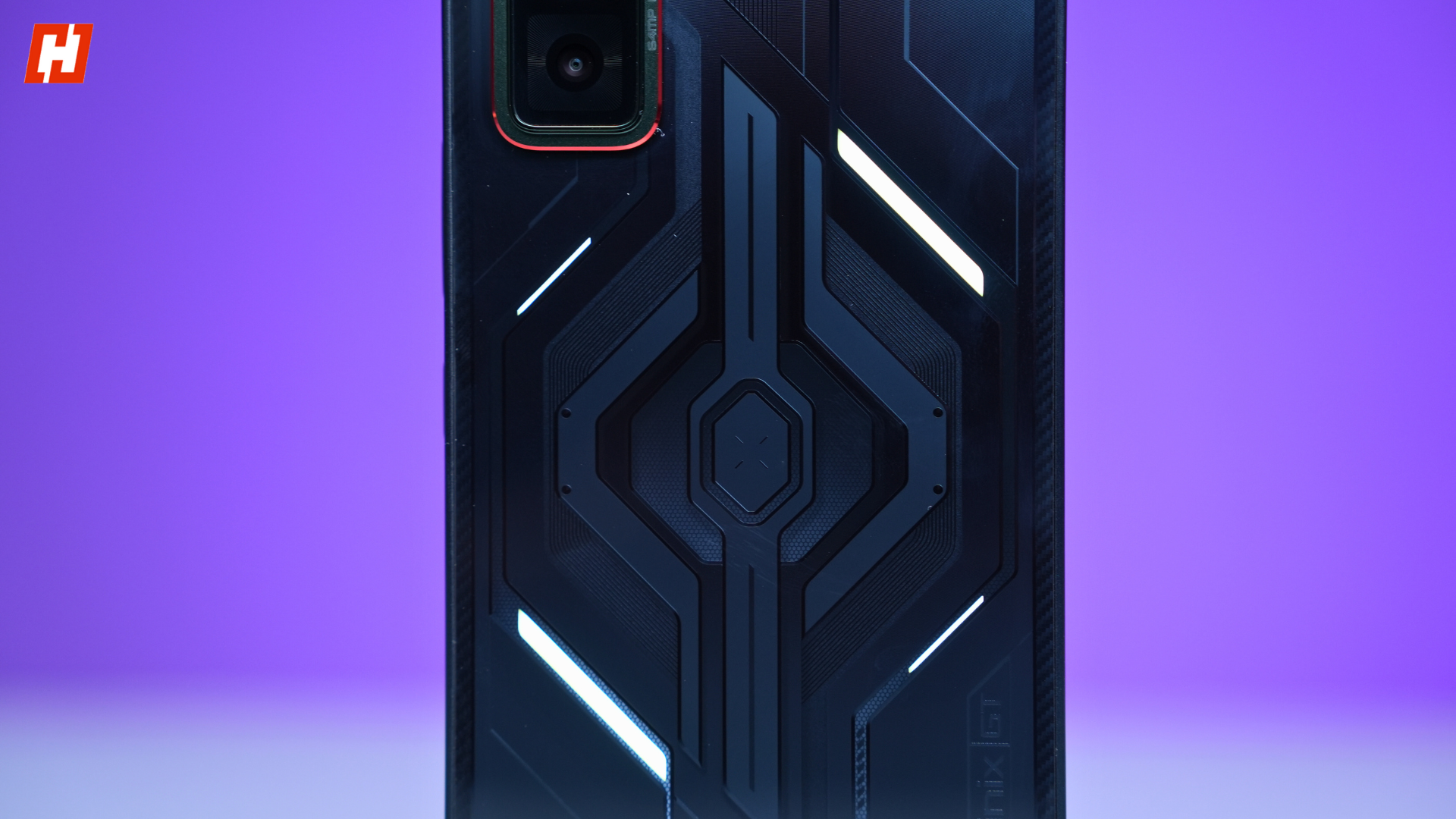
The 5,500mAh battery makes sure the GT 30 easily lasts a full day of heavy use, gaming, streaming, social media. Use it more lightly, and it’ll stretch comfortably.
With the 45W fast charger in the box, you get to 50% in about 30 minutes and a full charge in roughly an hour. There’s also 10W reverse charging to top up accessories or even other phones, plus bypass charging to keep heat down while gaming plugged in.
The GT 30 runs Android 15 with XOS 15. Infinix has trimmed some bloat, but you’ll still find preloaded apps that you may want to remove. The UI doesn’t feel as clean as stock Android, but it does offer some genuinely useful features.
The Dynamic Bar mimics iOS’s Dynamic Island for quick interactions, floating windows help multitasking, and Smart Panel shortcuts add convenience. AI optimisations also help with background app management and battery life. Update support is decent: two years of OS upgrades and three years of security patches. Not class-leading, but competitive in this bracket.
This is where the GT 30 reminds you it’s a gamer’s phone first. The 64MP Sony IMX682 sensor takes good daylight shots, but low-light photography suffers without OIS. The 8MP ultra-wide is just about passable, with soft edges and muted colour, while the 13MP selfie camera does fine in daylight but over-smoothens in low light.
Video tops out at 4K 30fps, with EIS for stabilisation. For casual photography, it works. For camera-first buyers, it won’t impress.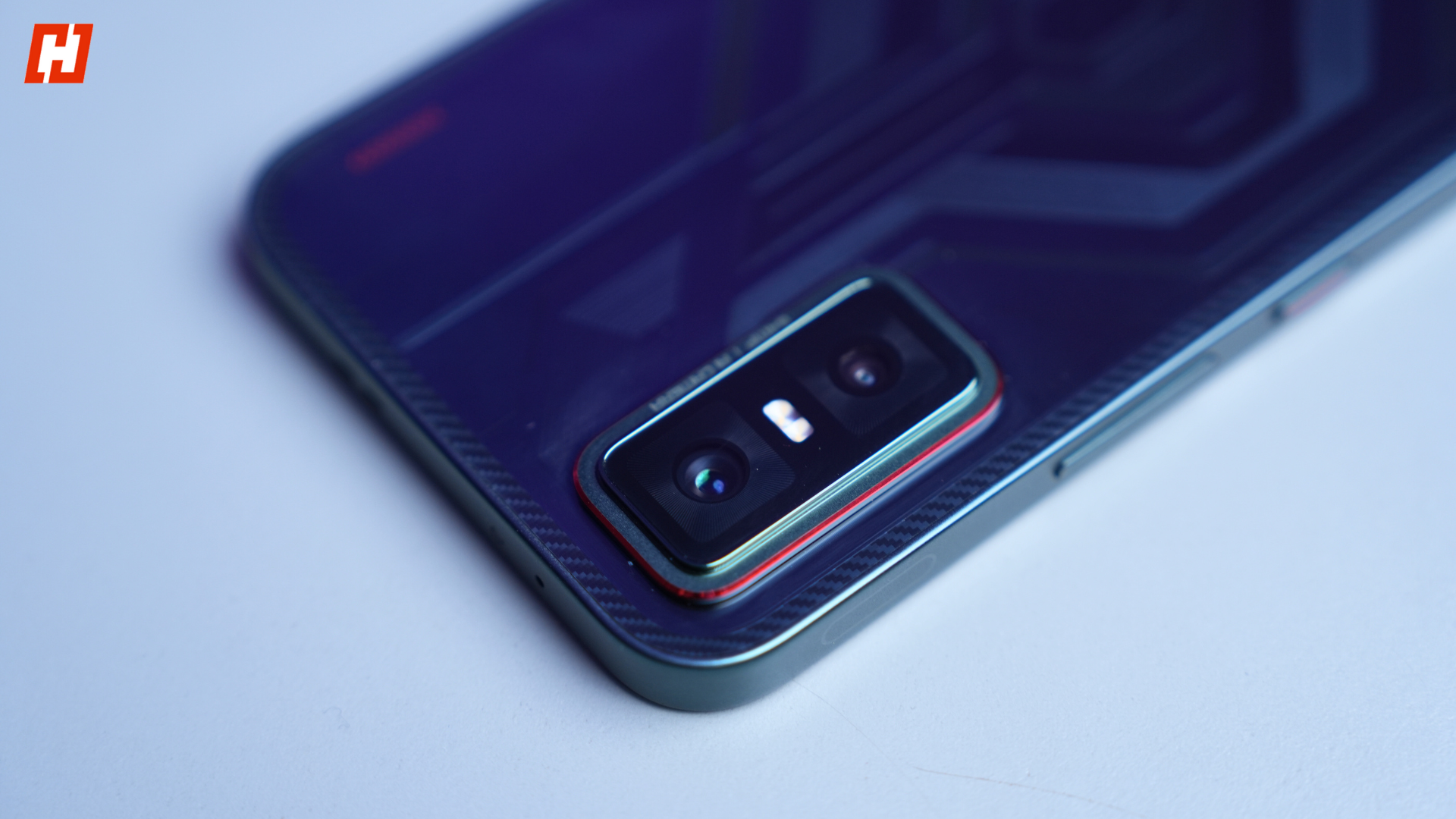
The Infinix GT 30 delivers what it sets out to do; it’s a gaming-first phone under ₹20K that looks flashy, runs games smoothly, and packs a strong display and battery. The Mecha lights and shoulder triggers aren’t gimmicks; they genuinely add to the identity and functionality.
The trade-offs are clear: average cameras and slower storage speeds. But if your checklist prioritises gaming, display, and endurance over photography, the GT 30 is among the best-balanced choices in its segment right now.