







The parasocial relationship audiences develop with female child stars has been a common phenomenon in the entertainment industry for decades. Young actresses such as Shirley Temple, Drew Barrymore, Millie Bobby Brown, and Miley Cyrus were all subjected to this as they transitioned from child stars to adulthood.
That makes one wonder, do audiences freeze female child stars in time and judge them when they grow up? The question keeps resurfacing every time a former child actor makes a very normal adult choice and is immediately met with backlash.
On The Guilty Feminist podcast, ‘Stranger Things’ star Millie Bobby Brown recalled a disturbing shift: the comments about her started becoming “gross” as soon as she turned 18. Suddenly, people felt entitled to sexualise her. Millie has also been criticised for dressing in a mature manner, getting married, adopting a child, and more.
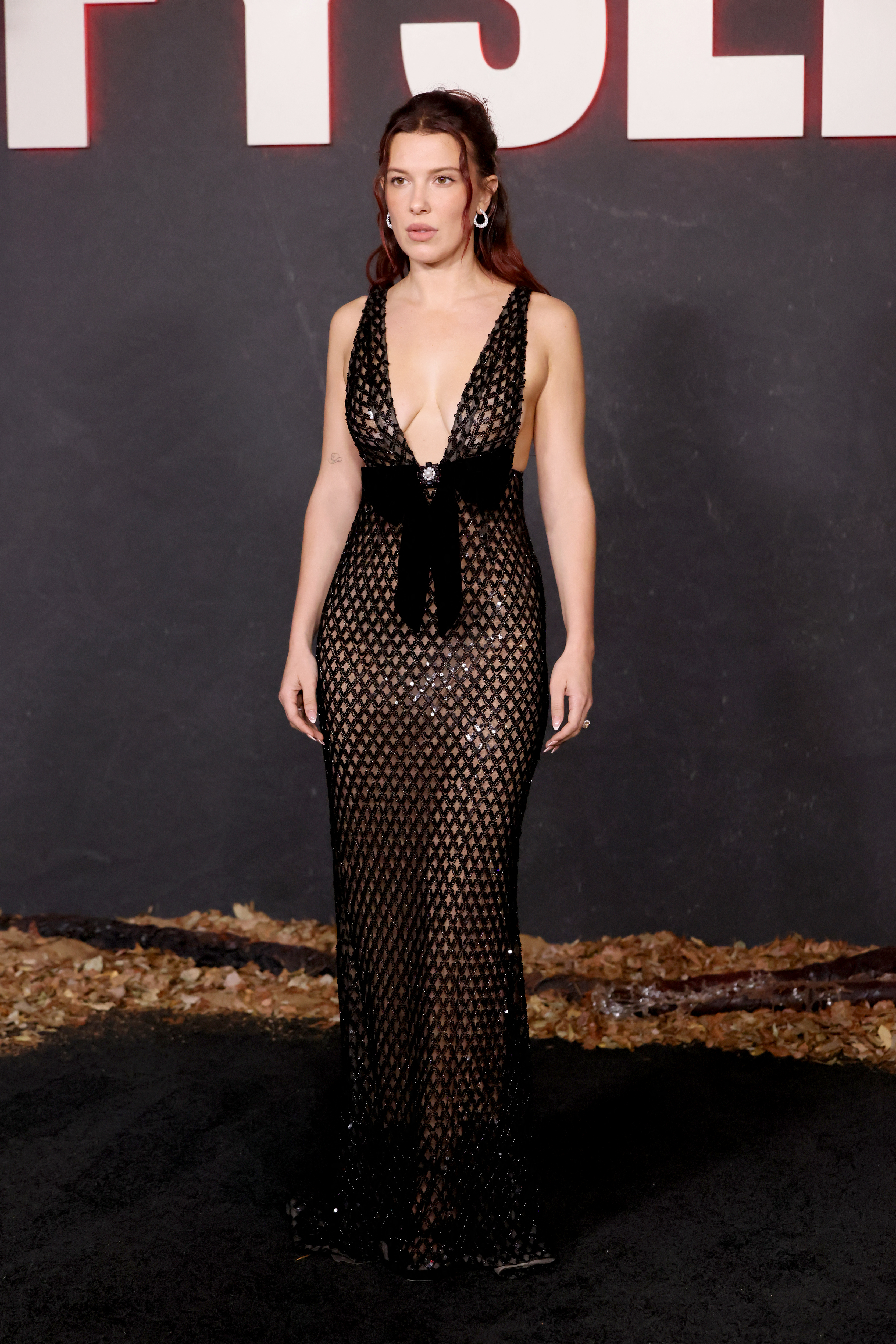 Image courtesy: AFP
She said, “Any 18-year-old is dealing with navigating being an adult, having relationships and friendships and being liked and trying to fit in. It’s all a lot, and you’re trying to find yourself while doing that. The only difference is that, obviously, I’m doing that in the public eye, so it can be really overwhelming. Definitely been dealing with [being sexualised] more within the last two weeks of turning 18 — definitely seeing a difference between the way people act and the way that the press and social media have reacted to me coming of age."
In a 2017 interview with Harper’s Bazaar, Miley Cyrus spoke about being judged early in her career. She said, “People get told that it's a bad thing to change. Like, people will say, 'You've changed.' And that's supposed to be derogatory. But you are supposed to change all the time."
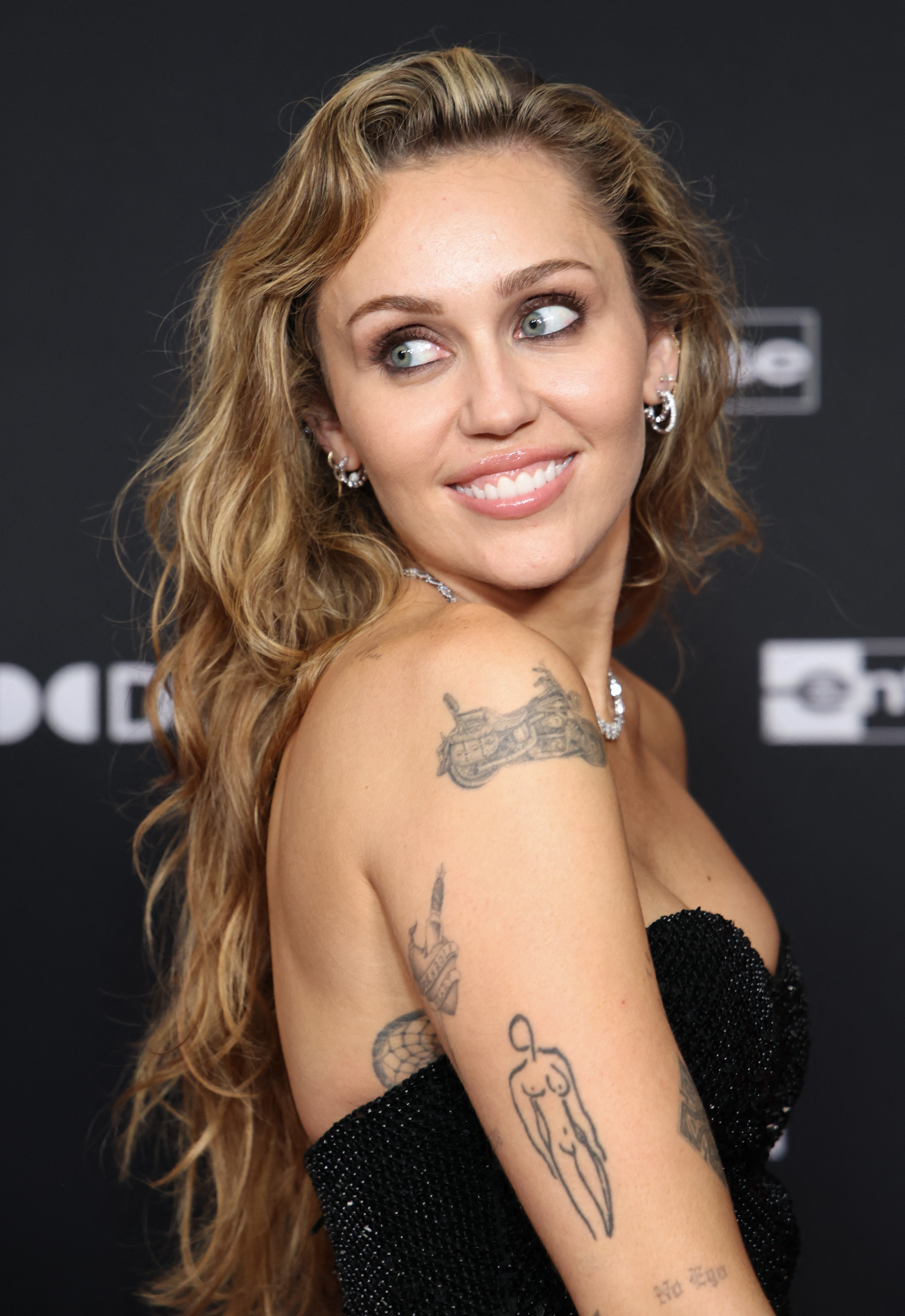 Image courtesy: AFP
She further added, “I didn't want to show up to photo shoots and be the girl who would get my t**s out and stick out my tongue. In the beginning, it was kind of like saying, 'F--k you. Girls should be able to have this freedom or whatever. But it got to a point where I did feel sexualized."
Both Millie and Miley didn't get the social space they needed to explore their identities as adults. The expectations people had, of what an ideal girl child should do, was more important to the audience than giving them the freedom to be who they wanted to be.
The problem begins with parasocial relationships. Viewers grow up alongside these stars, feeling a sense of emotional ownership over them. Because we “know” them through screens, interviews, and characters, their real-life growth can feel like a personal betrayal. But is that fair?
Miley Cyrus is not Hannah Montana. Millie Bobby Brown is not Eleven. Lindsay Lohan was not the girl or teen we saw onscreen. They are all people navigating an industry that judges every choice women make.
This scrutiny is rarely gender-neutral. Male child stars are allowed to grow quietly, even clumsily, without the same moral panic. Dylan & Cole Sprouse reinvented themselves away from their Disney image with little sustained outrage, as should be the case for everyone. The Jonas Brothers, once marketed as squeaky-clean teen idols, transitioned into adulthood without facing the same level of policing as their female counterparts did.
The question is, are these reactions really about protecting young stars, or about audiences struggling to let go of a particular image? Why are people so uncomfortable about women freely exploring their identities and living their lives?