
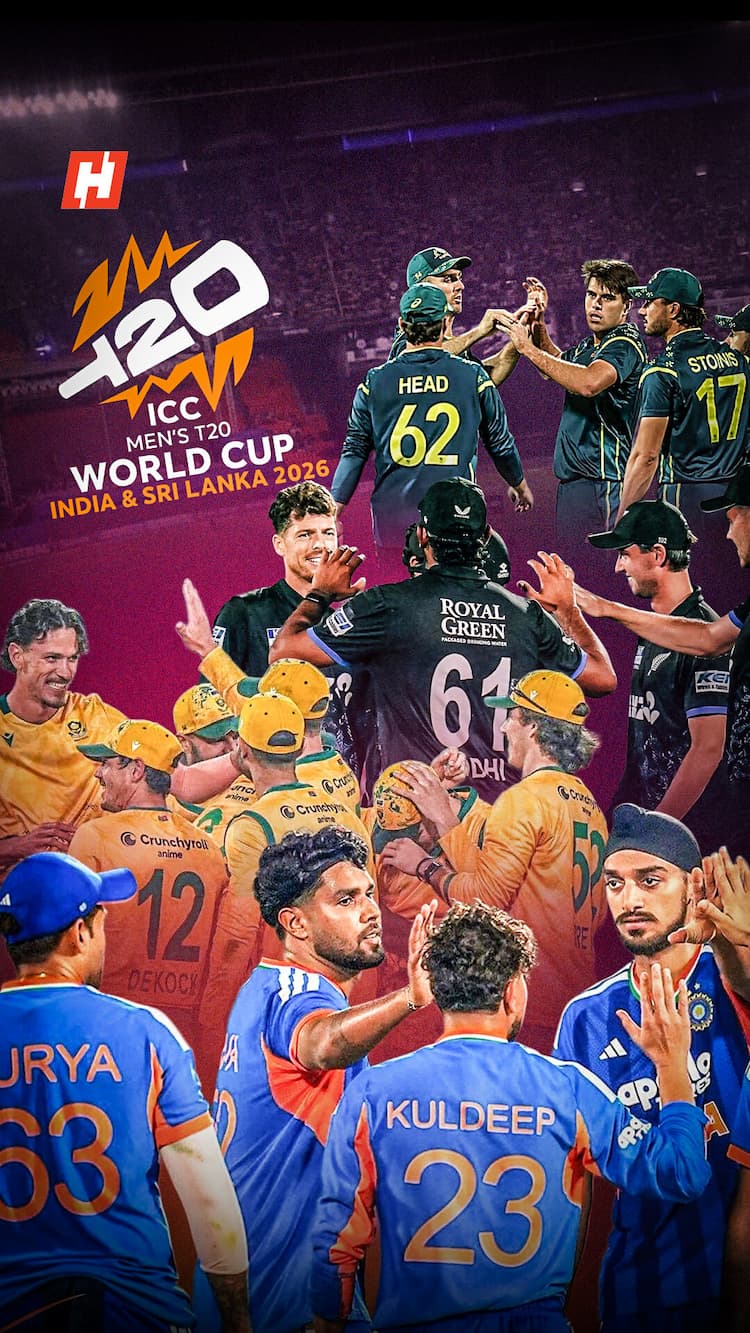

The build-up to the 2026 ICC Men’s T20 World Cup has taken another dramatic turn. In a surprising move, the Pakistan Cricket Board (PCB) has officially backed the Bangladesh Cricket Board’s (BCB) stance of not wanting to play their group-stage matches in India. The PCB has reportedly written to the International Cricket Council (ICC), expressing support for Bangladesh’s concerns and urging the governing body to reconsider the existing schedule.
The letter, sent just hours before Bangladesh’s deadline to communicate their final decision to the ICC, was also marked to all other cricket boards. While the ICC had earlier made its position clear—that the matches will go ahead in India as scheduled—PCB’s involvement has added a fresh layer of complexity to an already tense situation.
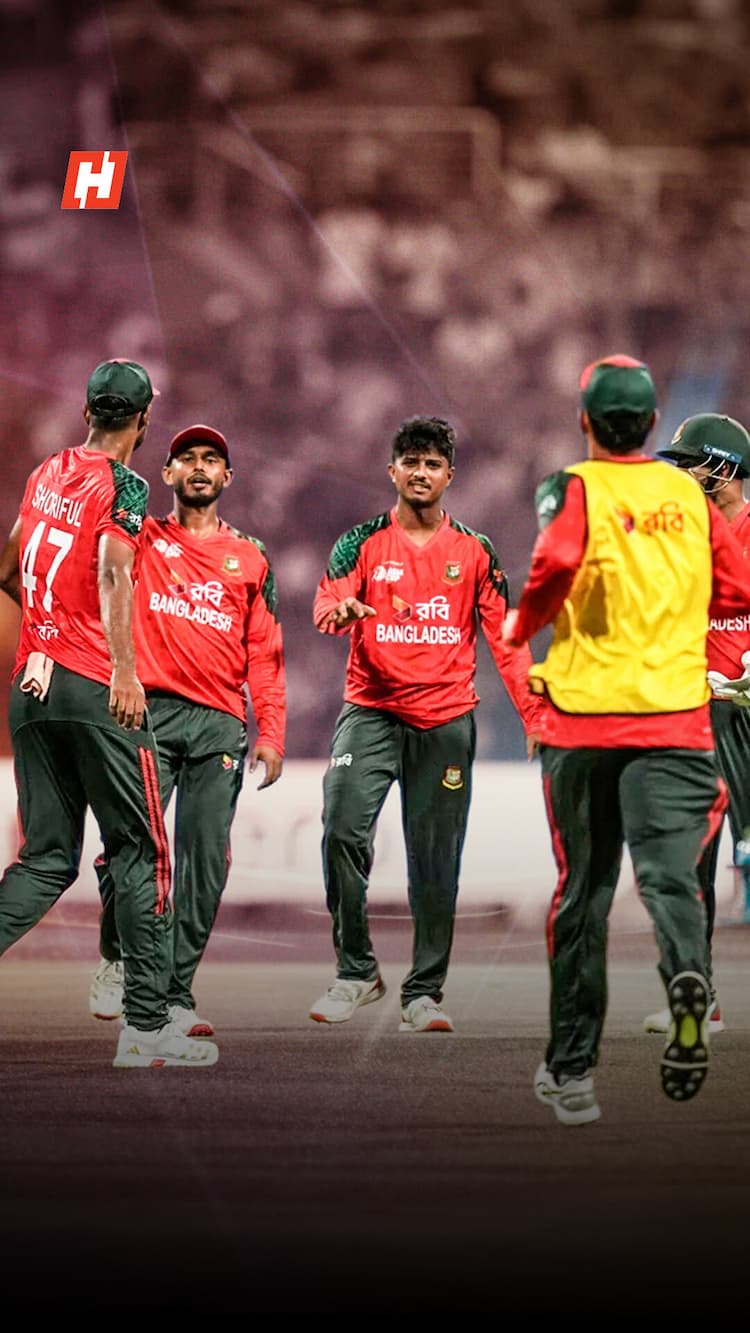
The BCB’s reluctance to travel to India stems from ongoing political tensions between the two nations. Supported by their government, Bangladesh has requested that their games be shifted to Sri Lanka, which is co-hosting the tournament. Despite multiple meetings with the ICC, including a recent one in Dhaka, neither side has shown signs of backing down.
PCB’s late entry into the conversation is raising eyebrows. Although the board has not made a public statement, there have been unconfirmed reports that Pakistan might consider reviewing its participation if Bangladesh’s request is denied. Some even claim PCB offered to host Bangladesh’s matches themselves, though this remains speculative.
The ICC, however, appears firm in its stance. A board meeting has been scheduled for Wednesday to address the issue, but insiders suggest the governing body has no intention of altering the schedule. With less than three weeks remaining before the tournament kicks off, any logistical changes would be both costly and chaotic.
This situation originally escalated after Mustafizur Rahman was quietly withdrawn from the IPL by the BCB, following instructions from higher authorities in Bangladesh. The move triggered unrest among players and officials, with tensions spilling over into the Bangladesh Premier League.
As of now, the cricket world watches closely. The PCB’s involvement may be seen as a political gesture, but whether it has any real impact on the ICC’s decision remains doubtful. What’s clear is that the road to the T20 World Cup is no longer just about cricket—it’s a diplomatic balancing act.