



Fashion in 2025 wasn't just about what looks good on the runway or on Instagram. It's about what trends represented, where they hailed from, and whom they belonged to. From viral, silly accessories to serious cultural debates, this was fashion's year to get deep and emotional, and proud and political.
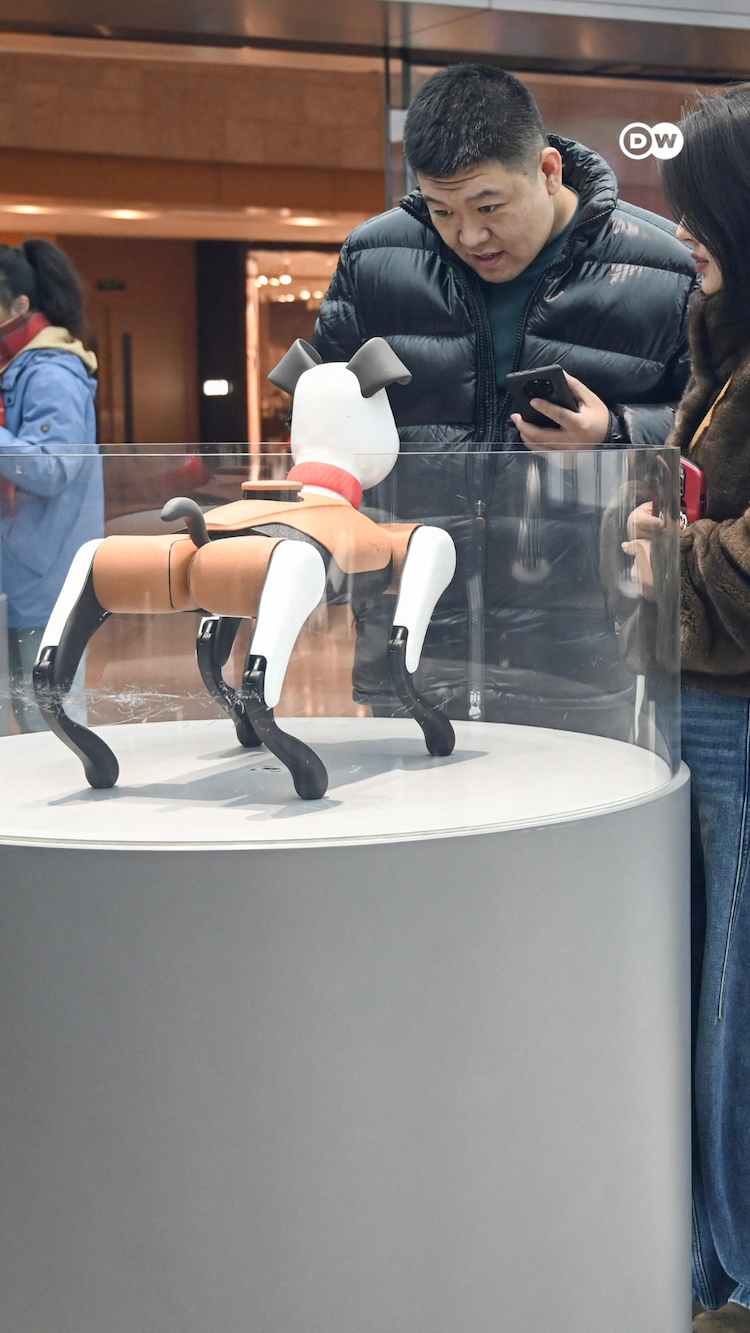
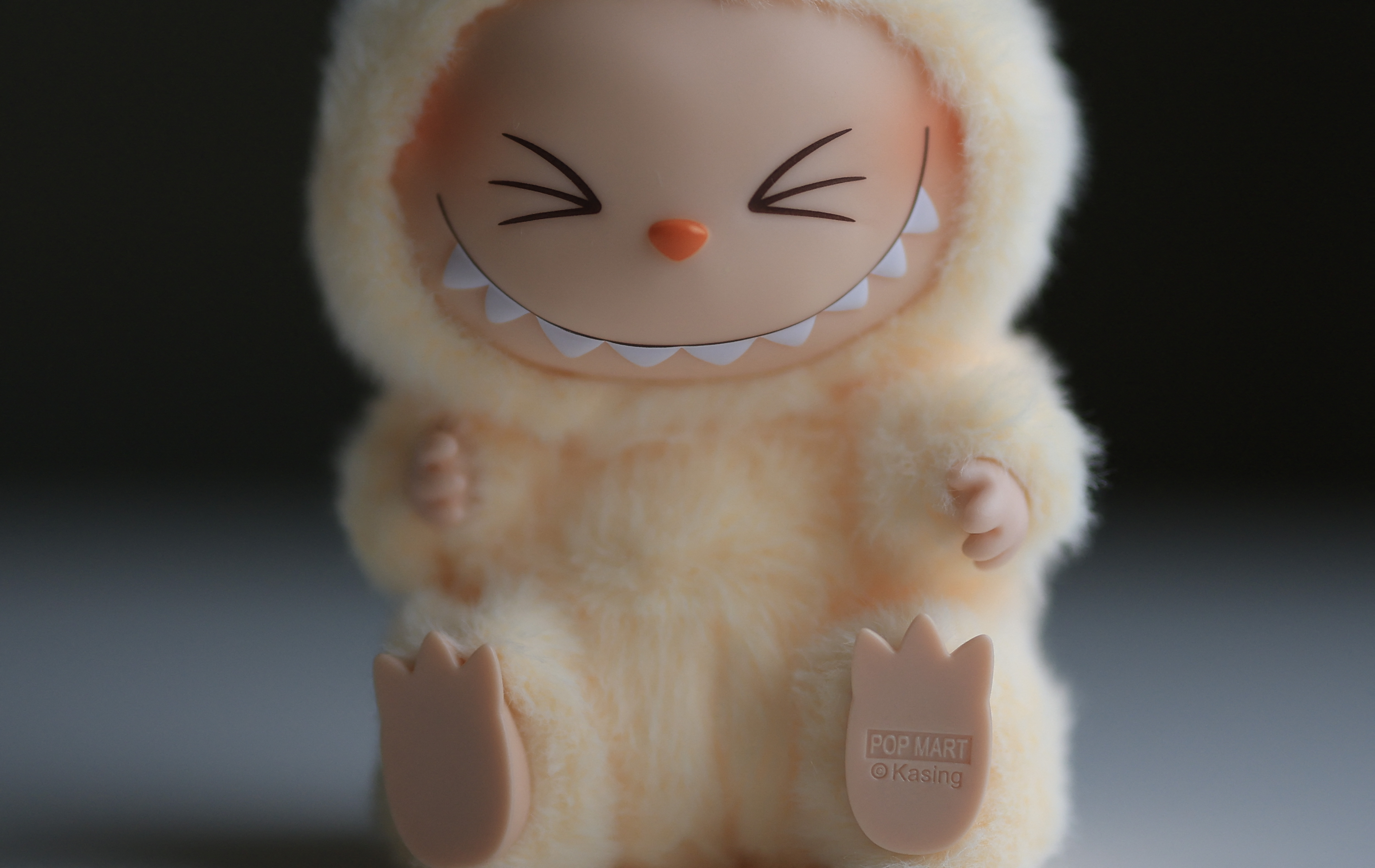
Labubu charms were among the year's most unlikely breakout trends. Clipped onto handbags, belts, and even phone cases, the toy-like quirks captured Gen Z's love of playfulness and ironic fashion. But alongside their viral appeal came conversations around overconsumption, counterfeiting, and how internet trends are commodified at warp speed. What started as fun quickly became a reflection of how fashion and consumer culture collide online.
 Credit: AFP
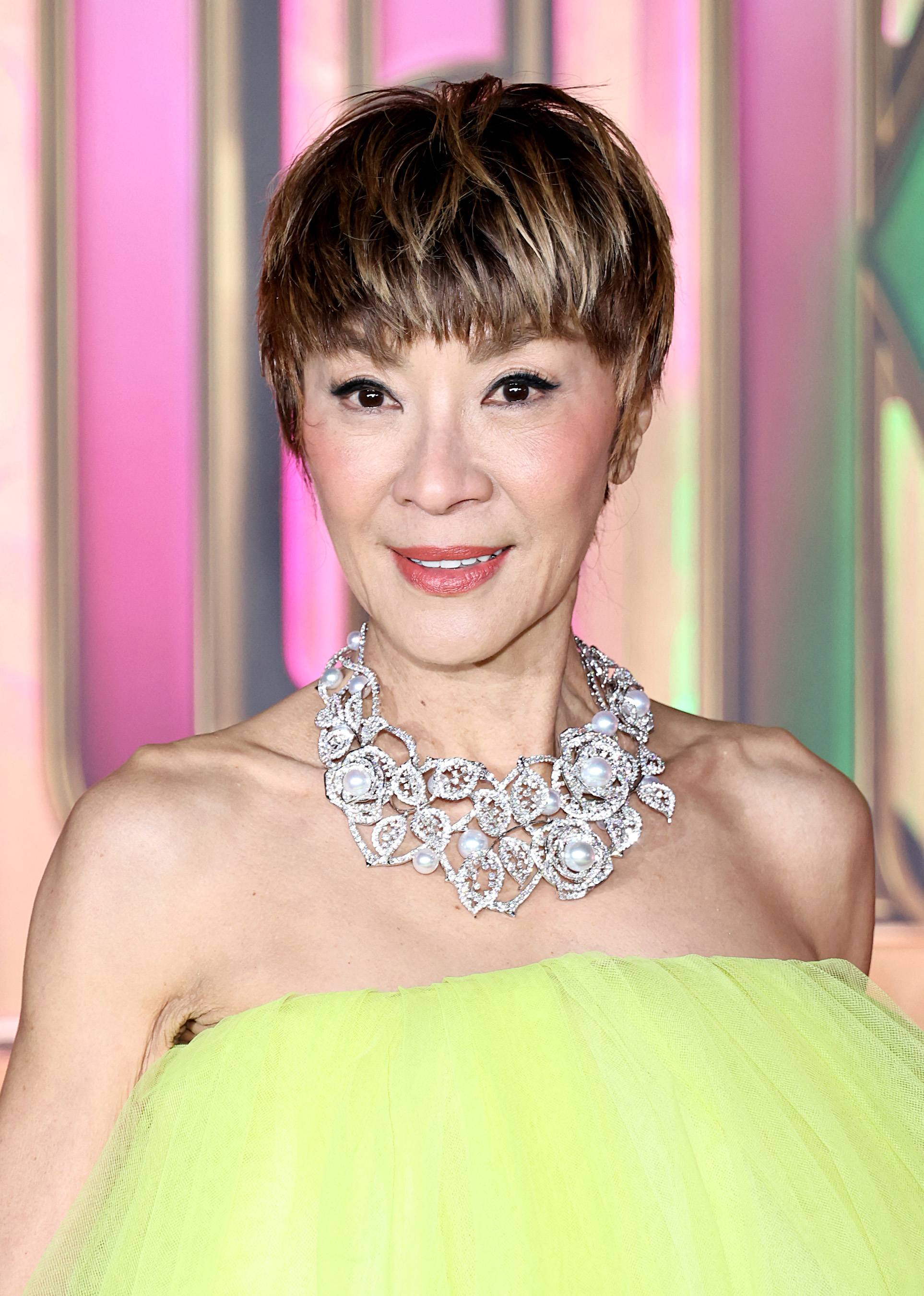
If there was one clear style reference point in 2025, it was the past. ’80s maximalist jewellery and Y2K style returned in full force, from low rise fits and early 2000s makeup, to throwback accessories flooding social media. In an uncertain cultural moment, nostalgia became fashion’s comfort zone, offering familiarity while still feeling fresh.
Reworked with modern styling and irony, old trends proved that the past continues to hold strong cultural and fashion influence when seen through a contemporary lens.
 Credit: AFP
The Prada Kolhapuri chappal controversy marked a turning point in fashion discourse. A luxury runway sandal reignited debates around cultural appropriation, artisan recognition and who profits when traditional craft enters global luxury spaces. The backlash was swift and vocal, pushing questions of credit and context into mainstream fashion conversations.
 Credit: AFP
The Kolhapuri debate wasn’t an isolated moment. Similar outcries followed as indigenous textiles and regional designs appeared on international runways, often stripped of their original context. While visibility increased, so did concerns around misrepresentation and erasure of craft communities.
2025 wasn’t just a year of trends. It was the year fashion stopped being only about aesthetics and started reflecting emotion, identity and accountability. The looks we saw weren't about prettiness, but the story they told, the conversations they started.